
Prix cours de conduite classe 5: Start Smart in 2026
“Prix cours de conduite classe 5” refers to the value of a complete Class 5 pathway—curriculum, certified instructors, availability, and exam-day support—rather than a single sticker number. From our Longueuil location at 2252 Ch. de Chambly, École de conduite Lauzon Rive-Sud guides you from theory to road test with a clear, confidence-building plan.
By École de conduite Lauzon Rive-Sud • Last updated: 2026-06-19
Start here: hook, scope, and table of contents
Class 5 training is a structured journey: theory sessions, coached in-car practice, winter-readiness, and focused exam preparation. This guide shows what truly shapes value, how Quebec’s steps connect, and how to get the best results at Lauzon Rive-Sud—without chasing the lowest quote.
Use this guide to quickly find what you need:
- What “prix cours de conduite classe 5” really covers in Quebec
- Why paying less isn’t always saving more
- How the Class 5 roadmap works from day one to road test
- Lesson types and add-ons (when and why to use them)
- Best practices to learn faster and reduce retakes
- Tools and resources you’ll actually use
- Local examples from Longueuil learners
- FAQ and next steps to get started
Quick Summary
The smartest Class 5 plan balances structured theory with coached driving, targeted exam prep, and winter modules. Focus on instructor quality, scheduling depth, and exam-day guidance. At Lauzon Rive-Sud, this integrated pathway builds confidence, reduces retakes, and shortens the time to your full license.
Here’s the gist before we go deep:
- Value drivers: instructor expertise, lesson structure, winter-readiness, exam support.
- Time efficiency: consistent practice and feedback loops speed up progress.
- Outcome focus: fewer surprises on test day and safer everyday driving after.
What is “prix cours de conduite classe 5”?
“Prix cours de conduite classe 5” is the total value of your Class 5 journey—curriculum depth, certified coaching, scheduling flexibility, and exam-day help. It’s about the outcomes you achieve: confidence, safety, and a smoother path to your license, not just the number on a brochure.
When people search for pricing, they’re really comparing pathways:
- Curriculum quality: structured theory that actually sticks and connects to the road.
- Coached practice: feedback in real traffic, not just empty-lot basics.
- Local expertise: Longueuil streets, Montérégie conditions, and seasonal realities.
- Exam-readiness: targeted sessions that mirror SAAQ expectations.
- Confidence-building: a calm, reassuring approach—especially for anxious beginners.
At École de conduite Lauzon Rive-Sud, our Class 5 program connects theory and practice from your first session, then adds targeted support like winter driving and exam-prep modules as you advance. That’s how students convert hours into skills.
Want the full outline? See our Class 5 driving lessons overview for how sessions are organized and sequenced.
Why value beats the lowest number (Le Vieux-Longueuil, Montérégie)
In Le Vieux-Longueuil and across Montérégie, the best Class 5 results come from a value-first plan: experienced instructors, structured sessions, and realistic local practice routes. This approach reduces retakes and stress—saving time and frustration while building lasting, safe driving habits.
Here’s why chasing the lowest quote can backfire:
- Missed feedback loops: Fewer or shorter sessions limit correction and skill retention.
- Scheduling gaps: Long waits between lessons slow progress and require relearning.
- Narrow exposure: Limited route variety means surprise mistakes on the test.
- Winter unpreparedness: Skipping cold-weather practice raises real-world risk.
- Exam-day uncertainty: No rental vehicle or last-mile prep creates preventable stress.
In our experience since 1983, focused sequences with timely practice deliver stronger outcomes. That’s why we organize lesson blocks, recap key skills at the right intervals, and adjust routes to your progress. A calm, reassuring tone helps anxious beginners move forward steadily.
Curious how we adapt to your pace? Our complete beginner course (Class 5) lays out a progressive, confidence-first path.
How Class 5 training works in Quebec (step-by-step)
Class 5 training blends theory, in-car sessions, and focused exam prep. You’ll build core habits, add city and highway complexity, practice winter techniques, and finish with a realistic mock test. The result is exam readiness and safer everyday driving—not just short-term memorization.
Below is a practical roadmap many Longueuil students follow with us:
- Foundations (theory + basics): road rules, risk awareness, cockpit setup, mirror use.
- Core vehicle control: smooth starts, stops, turning arcs, lane discipline.
- City driving layers: intersections, right-of-way, school zones, speed adaptation.
- Complex maneuvers: parking variants, three-point turns, hill starts.
- Highway and merging: speed management, safe gaps, lane changes, scanning.
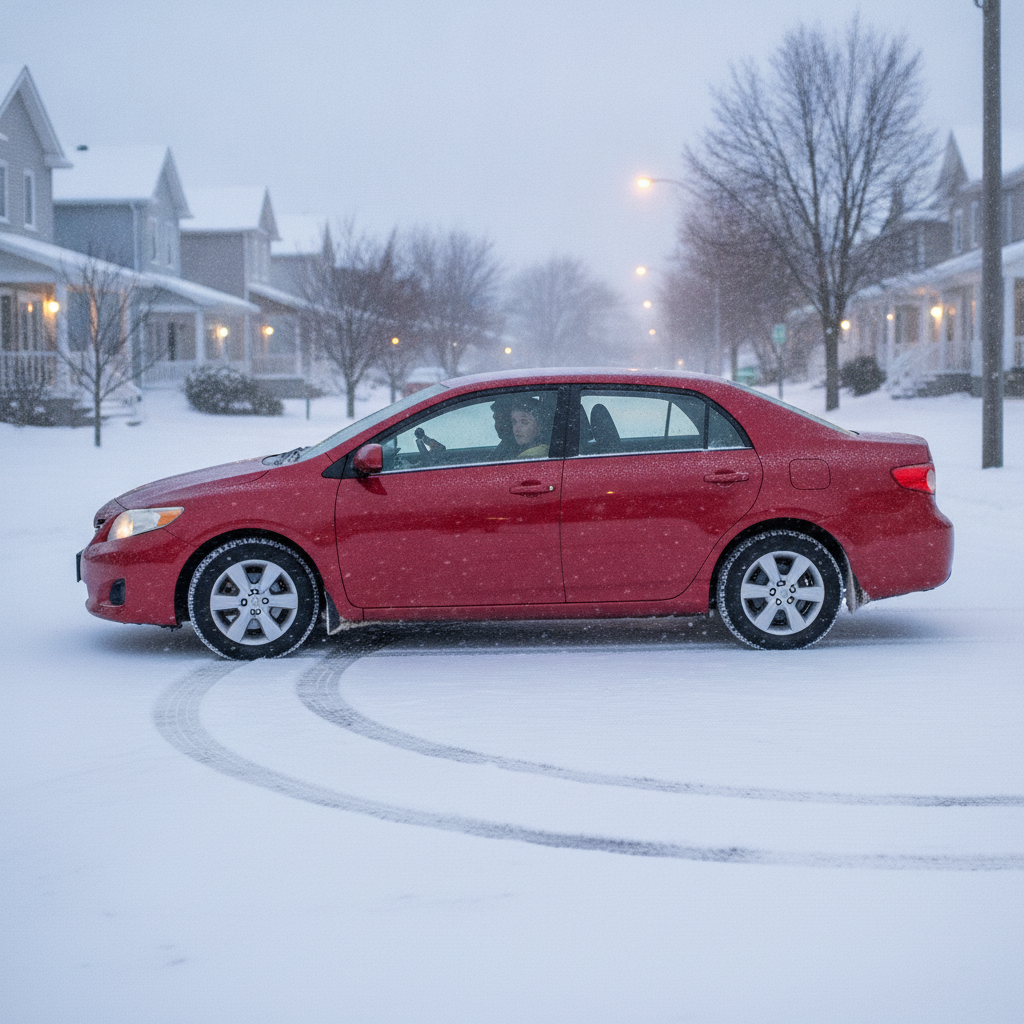
- Winter techniques: traction, braking distances, visibility, hazard anticipation.
- Exam preparation: route planning, mock test, documentation, and test-day plan.
Process table you can save:
| Step | Goal | What we do at Lauzon Rive-Sud |
|---|---|---|
| 1 | Build safe habits | Connect theory to in-car drills on mirrors, signals, and space. |
| 2 | Vehicle control | Refine braking feel, steering arcs, and lane centering. |
| 3 | City layers | Practice intersections, right-of-way, and speed adaptation. |
| 4 | Precision moves | Parking formats, three-point turns, and hill management. |
| 5 | Highway fluency | Merge timing, lane changes, and hazard scanning. |
| 6 | Winter readiness | Traction control, longer stops, and visibility strategy. |
| 7 | Exam readiness | Mock test, documentation check, vehicle prep, route familiarization. |
Scheduling tip: many learners progress faster with 2–3 in-car sessions per week and 20–30 minutes of theory review between lessons. Consistency builds muscle memory.
Local considerations for Le Vieux-Longueuil
- Plan practice around school-day traffic and weekend events near Laurier Park to experience different flow patterns.
- Winter in Montérégie brings extended snow and freeze–thaw cycles; build in controlled braking sessions as soon as temperatures dip.
- Use quiet residential blocks east of Georges-Dor Public Library for early parking practice before progressing to busier corridors.
Types of lessons and add-ons you can combine
Mix core lessons with targeted modules: winter driving, exam-prep sessions, and optional vehicle rental for test day. Selecting the right add-ons at the right time tightens skills, reduces surprises, and keeps momentum toward your Class 5 license.
Here’s how learners in Longueuil typically stack modules with us:
- Core Class 5 lessons: the backbone of your journey—see our Class 5 overview.
- Complete beginner pathway: a progressive plan from first session to exam—see the beginner course.
- Targeted refresher hours: shore up a weak spot before it becomes a habit:
1 hour,
5 hours,
10 hours, or
20 hours. - Winter driving module: traction, braking distance, black ice awareness—scheduled as temperatures fall.
- Exam-prep pack: documentation check, route familiarization, mock test, and calm test-day routine.
- Vehicle rental for the exam: skip logistics stress and arrive in a familiar, compliant car.
When should you add winter practice? As soon as ambient temperatures hover near freezing for several days in a row, braking distances change—and so should your drills.

Best practices to learn faster and safer
Progress compounds when you pair short theory refreshers with frequent, coached practice. Use structured feedback, vary routes, and practice in weather you’ll actually face. These habits reduce retakes and build calmer, safer decision-making behind the wheel.
Weekly rhythm that works
- 2–3 sessions per week: keeps skills fresh and prevents relearning.
- 20–30 minutes of review: the same day as each lesson to lock in concepts.
- Route variety: rotate residential, arterial, and highway segments.
- Weather matching: drive in the conditions you’re likely to test in.
Feedback that sticks
- One focus per drive: lane changes today, merging tomorrow—avoid overload.
- Micro-drills: 5–10 minute blocks for braking feel, mirror scans, or gap selection.
- Calm corrections: confidence grows when feedback is steady and specific.
Exam-readiness signals
- You anticipate hazards without prompts.
- Lane changes are smooth and decisive within safe gaps.
- Parking formats are consistent across different streets.
- Your instructor’s notes shift from correction to confirmation.
Need a final tune-up? Target a weak area with a short, focused block like our
5-hour refresher before your mock test.
Tools and resources you’ll actually use
Pair structured lessons with simple planning tools: a scheduling cadence, checklists, and route maps. Add outside reading on insurance and safety so you’re prepared beyond test day. Keep it practical and tied to your Longueuil driving reality.
Practical resources we recommend to our students:
- Lesson planner: set a 2–3-per-week cadence and track 3 wins after each session.
- Checklists: cockpit setup, mirror routine, and exam documents in one place.
- Route cards: a mix of quiet streets, arterials, and a highway segment.
- Insurance literacy: understanding premium factors helps you budget for the full driving journey; for context, see these Canada examples on auto insurance rates, tips for lowering premiums, and ways to reduce insurance costs.
Everything above pairs well with our structured Class 5 track—start with the core program here: Class 5 driving lessons.
Case studies and examples from Longueuil learners
Structured coaching shortens the path to a confident pass. The pattern we see: steady weekly cadence, early winter exposure, and a mock test 7–10 days before the exam. Here are anonymized examples that show how the pieces fit together.
Example 1: The anxious beginner
- Challenge: high test anxiety and stop–go braking.
- Plan: short city loops, micro-drills on braking feel, gradual route complexity.
- Add-ons: winter module during first freeze week; 1-hour refresher before mock.
- Result: smoother control and calmer decisions; mock test flagged only minor timing issues.
Example 2: The experienced-but-rusty driver
- Challenge: inconsistent shoulder checks and late signals.
- Plan: 5-hour refresher block with lane-change drills and merge timing.
- Add-ons: exam-prep checklist review and route familiarization.
- Result: consistent signaling windows and cleaner merges under mild pressure.
Example 3: The perfectionist
- Challenge: over-focusing on small steering errors.
- Plan: 10-hour block spread across residential, arterial, and highway routes.
- Add-ons: parking variety and a pre-exam confidence session.
- Result: better lane centering and smoother parking routines.
Want targeted support right now? Choose a block that fits your goal: 10 hours or
20 hours of focused coaching.
Comparison: what really “saves” you time and stress
Saving isn’t just about a low quote. It’s fewer retakes, less relearning, and calmer progress. An integrated Class 5 plan with feedback loops, winter practice, and test-day support nearly always outperforms a bare-minimum approach.
| Approach | Short-Term Feel | Hidden Trade-offs | Outcome Pattern |
|---|---|---|---|
| Bare-minimum lessons | Looks “fast” at first | Gaps between sessions; fewer routes; weak winter prep | More relearning; higher odds of retake |
| Integrated pathway (Lauzon Rive-Sud) | Steady, predictable progress | Regular feedback loops; realistic routes; test-day plan | Calmer exam; durable everyday driving habits |
Here’s the thing: a Class 5 license is the start of years of driving. Investing in safer habits now pays off every week you’re on the road.
Free planning chat: Not sure which modules to choose? Book a quick call with our team and we’ll map a week-by-week plan that fits your schedule and goals.
How to choose your modules (simple decision tree)
Pick your Class 5 core, then add targeted blocks for weaknesses, winter, and exam day. If you’re unsure, choose the smallest add-on, reassess after two weeks, and scale only what moves your skills forward.
- If you’re a true beginner: start with the complete beginner course to build a solid base.
- If you’re rusty: add a 5-hour refresher block focused on your top two issues.
- If your test is booked: schedule an exam-prep pack and confirm a vehicle rental for the date.
- If winter is approaching: prioritize the winter module before ice and slush arrive.
Not every add-on fits every learner. Choose what earns visible gains in the next 7–14 days. Small, targeted moves compound fast.
Frequently Asked Questions
Here are clear, direct answers to common Class 5 questions. We focus on value, process, and confidence—so you can plan your path without guesswork.
How long does it take to feel exam-ready?
Most learners see steady gains with 2–3 sessions per week plus short theory refreshers. When feedback shifts from frequent corrections to small confirmations, you’re close. A mock test 7–10 days before your appointment helps finalize timing and route confidence.
Do I really need winter training?
Yes—Longueuil winters change traction, stopping distance, and visibility. Practicing controlled braking, longer following gaps, and black ice awareness in real conditions builds habits you’ll use all season, not just on exam day.
What if I’m anxious about driving?
A calm, reassuring approach works best. We use short routes first, build skills in micro-drills, and increase complexity as confidence grows. Many anxious beginners find that structured feedback and small wins each week change the experience quickly.
How should I schedule lessons?
Keep a steady cadence of 2–3 in-car sessions per week. Add 20–30 minutes of same-day review to lock in concepts. Practice at different times—school pickup hours, evenings, and weekends—to prepare for varied traffic patterns.
Conclusion and next steps
Value in “prix cours de conduite classe 5” means a plan that builds confidence, reduces retakes, and fits your schedule. Choose an integrated pathway, add targeted modules, and practice in the conditions you’ll face. That’s how you pass calmly and drive safely afterward.
Key takeaways
- “Prix cours de conduite classe 5” is about outcomes—not a single number.
- Instructor quality, scheduling depth, and winter practice drive real value.
- Mock testing 7–10 days before the exam stabilizes timing and confidence.
Action steps
- Skim the Class 5 overview and pick your weekly cadence.
- Lock one add-on that targets your biggest gap (5 or 10 focused hours).
- Put a mock test on your calendar one week before your exam date.
Ready to start from Le Vieux-Longueuil? Book your first session near chemin de Chambly and we’ll map your route to a confident pass.