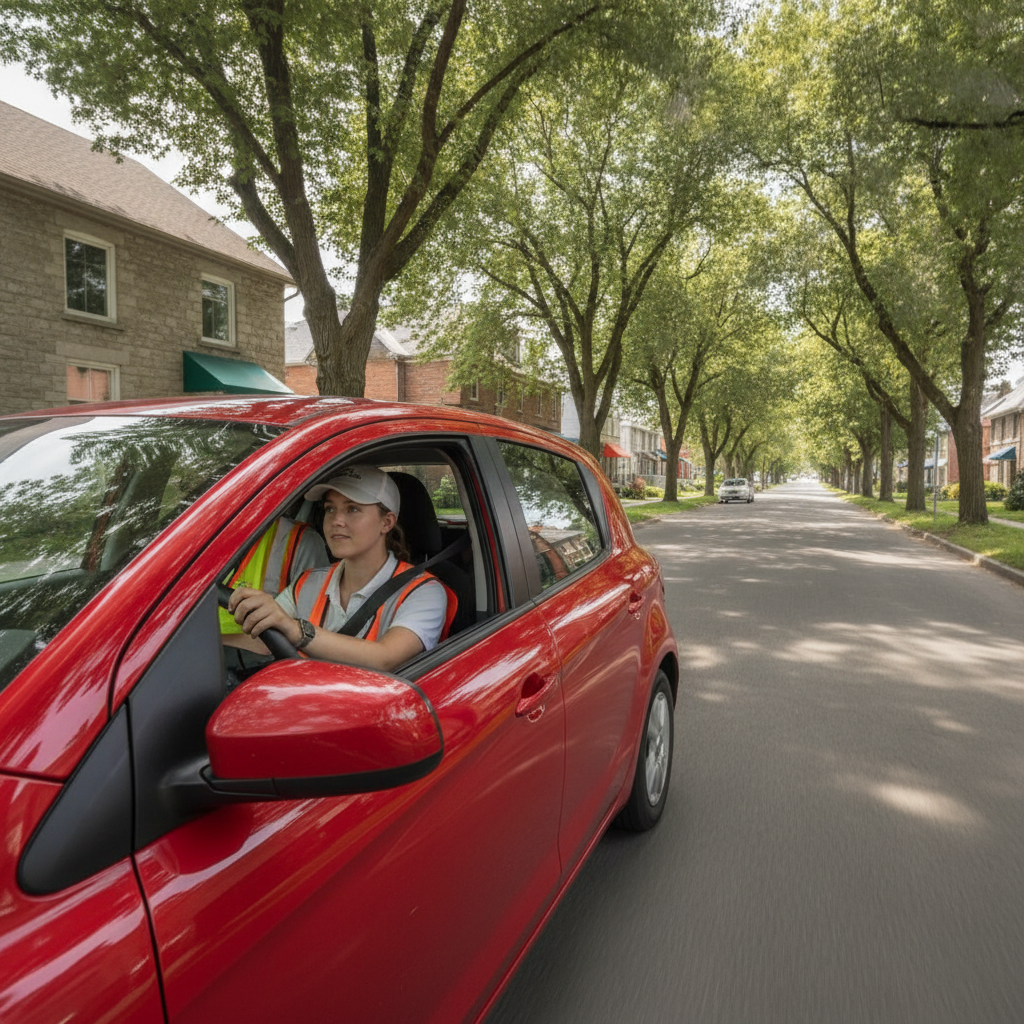
Conduite Supervisée: Learn Fast and Drive Safer in 2026
Conduite supervisée is structured, adult-accompanied practice that helps new drivers build real-world skills between formal lessons. It reinforces classroom theory, sharpens hazard perception, and reduces test-day anxiety. In Le Vieux-Longueuil, it bridges your SAAQ training with safe, everyday driving so you earn your license with confidence.
By École de conduite Lauzon Rive-Sud • Last updated: 2026-06-23
Overview and table of contents
This guide explains supervised driving from definition to day-by-day execution. You’ll learn the rules, roles, logs, and drills that accelerate confidence, plus winter techniques and SAAQ exam alignment. Use the table of contents to jump to steps, best practices, resources, and local tips for Le Vieux-Longueuil.
Here’s what you’ll find below:
- What supervised driving is—and isn’t
- Why it matters for SAAQ knowledge and road tests
- How it works: roles, checklists, logs, and milestones
- Approaches and session formats that work in our area
- Best practices, safety margins, and error recovery
- Tools/resources (calendars, manuals, mock tests)
- Short case studies from Class 5, Class 3, and Class 1
- FAQ and next steps in Le Vieux-Longueuil
What is supervised driving?
Supervised driving is planned practice with a qualified accompanying driver after or between formal lessons. The supervisor coaches maneuvers, manages risk, and signs a log. Sessions progress from quiet streets to complex traffic, turning classroom rules into reflexes you can trust on the SAAQ road test.
In our experience, the fastest, safest progress happens when supervised practice follows a clear plan, not random errands. Structure matters. A 30–60 minute session with 1–2 objectives and 3–5 focused repetitions per maneuver builds muscle memory quickly.
Core elements you should expect
- Clear goal per session: e.g., right turns on red, lane changes, or angle parking. One goal beats five vague ones.
- Defined route: start on calm streets, then add complexity (multi-lane, roundabouts, bridges) as confidence grows.
- Real-time coaching: brief cues (« mirror, signal, shoulder check ») keep attention on the road.
- Objective metrics: count maneuvers, track errors, and log progress. Two consistent successes in a row signals readiness to advance.
- Debrief: 3–5 minutes to convert mistakes into next-step drills.
Supervised driving complements formal training. If you’re beginning Class 5, combine a predictable practice plan with our Class 5 driving course so theory, instructor feedback, and home practice reinforce each other.
Why supervised driving matters
Supervised practice converts knowledge into instincts. It reduces reaction time, shrinks common errors, and makes SAAQ test maneuvers feel routine. With 30–90 minutes weekly, you lock in scanning, spacing, and speed control that classroom theory alone can’t deliver.
Here’s the thing: real roads introduce variables you can’t simulate on paper—blind corners, inconsistent signaling, and weather. Purposeful practice bridges the gap between « I know the rule » and « I executed it under pressure. »
- Faster skill retention: Repeating 10–15 identical turns over 20–30 minutes cements steering and speed control.
- Safer space management: The two-second rule becomes automatic when you check your gap every 5–10 seconds.
- Lower stress: Simulating the full road test route 2–3 times before exam day reduces surprises.
- Better hazard perception: Calling out hazards aloud every 15–20 seconds trains scanning and anticipation.
We’ve found that learners who accumulate steady, structured practice reach exam readiness in fewer attempts. Pair home sessions with a targeted 2‑hour exam-prep coaching and your supervisor’s role becomes fine-tuning, not firefighting.
How supervised driving works (roles, rules, and logs)
A productive session assigns roles: the learner drives; the supervisor coaches and controls risk. Use a pre-drive checklist, set 1–2 measurable goals, repeat each drill 3–5 times, and log outcomes. Progress from low to high complexity only after two consistent successes.
Think of conduite supervisée like a mini lesson plan. A 5-minute pre-brief clarifies objectives; 20–40 minutes of practice target the skill; a 3–5 minute debrief locks the learning. Repeat 2–3 times per week and your curve steepens quickly.
Session flow you can copy
- Pre-brief (5 minutes): set one goal, choose the route, assign « call-outs » (e.g., hazards, speed signs, lane markings).
- Vehicle checks (1 minute): mirrors, seat, belt, defogger/AC, lights, and a quick 360° look.
- Warm-up (5 minutes): easy turns and smooth stops to settle nerves.
- Focused drills (20–30 minutes): repeat the target maneuver 3–5 times, pausing for 15–30 seconds to reset.
- Cool-down route (5–10 minutes): light traffic, talk through takeaways.
- Debrief and log (3 minutes): record wins, 1–2 corrections, and a next-session plan.
Simple process table
| Step | Supervisor role | Learner focus | Evidence/log |
|---|---|---|---|
| Pre-brief | Define 1–2 targets | Repeat coaching cues | Session goal written |
| Checks | Verify mirrors & lights | Seat/steering set | Checklist complete |
| Drills | Time reps & spacing | Mirror–signal–shoulder | Reps counted (3–5) |
| Cool-down | Prompt reflections | Call hazards aloud | 2 takeaways noted |
For Class 5 progress that sticks, line up sessions with your theory modules and our Apprendre à se conduire manual so vocabulary and maneuvers match.
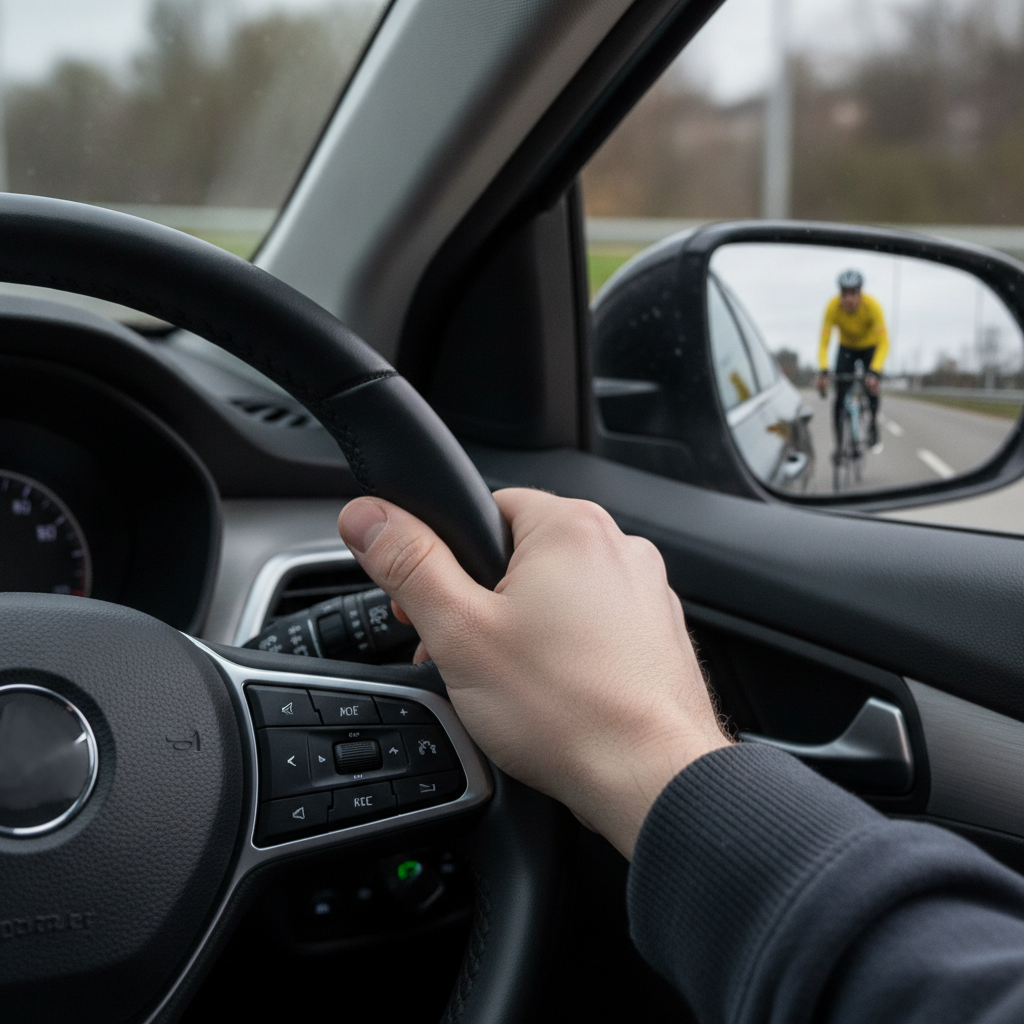
Local considerations for Le Vieux-Longueuil
- Use calm grids near Laurier Park for first 2–3 outings. Low speeds and predictable intersections are ideal for 10–15 warm‑up turns.
- Plan winter sessions when daylight is strongest. A 30–40 minute block at midday keeps visibility high for scanning signs and pedestrians.
- Rotate roles: the supervisor manages navigation so the learner can keep head‑up scanning every 5–10 seconds—especially near schools and bus stops.
Approaches and session types that work
Mix short, single-skill drills with realistic route simulations. Start with 20–30 minute micro-sessions on one maneuver, then add 30–45 minute mixed routes with two-second following gaps and clear lane-change routines. Alternate day and evening practice to expand comfort zones.
Not all practice is equal. Three 25-minute targeted sessions often beat one 75-minute wander. Keep the brain fresh and the goal specific.
High-yield session formats
- Micro-drill blocks (20–30 minutes): 10 identical right turns; 6 lane changes; 4 parallel parks.
- Route simulation (30–45 minutes): mock the test path end‑to‑end, including a 3‑point turn and hill stop.
- Evening focus (25–35 minutes): practice headlight etiquette and speed control with reduced visibility.
- Wet/snow module (25–35 minutes): brake earlier, double spacing, and smooth throttle to avoid wheel spin.
Want a professional « pressure test » before exam day? Pair your home plan with our targeted 2‑hour road‑test rehearsal. It simulates examiner pacing, timing, and feedback so you know exactly what’s coming.
Best practices and safety habits
Use the two-second rule, scan mirrors every 5–10 seconds, and call hazards aloud. Keep hands at 9‑and‑3, brake early, and commit to full stops for 2–3 seconds. If an error happens, pull over safely, debrief in 60–90 seconds, and try again within 2 minutes.
Safety stacks through small, consistent behaviors. Make them automatic.
Checklist you can print
- Position: seat high enough to see the hood edge; mirrors show a sliver of car body.
- Hands: 9‑and‑3 for control; shuffle steer at low speeds.
- Stops: complete stop before the line; count one‑two‑three.
- Following: two seconds dry; double in rain or snow.
- Lane change: mirror, signal, shoulder check, glide—not swerve.
- Speed: target ±5 km/h of limit; scan speed every 10–15 seconds.
- Parking: wheels straight, centered within lines, finish with handbrake.
When stakes feel high, keep scripts short. For example, your supervisor can cue: « check–signal–shoulder. » Three words, three actions, zero confusion.
Winter driving modules (Québec conditions)
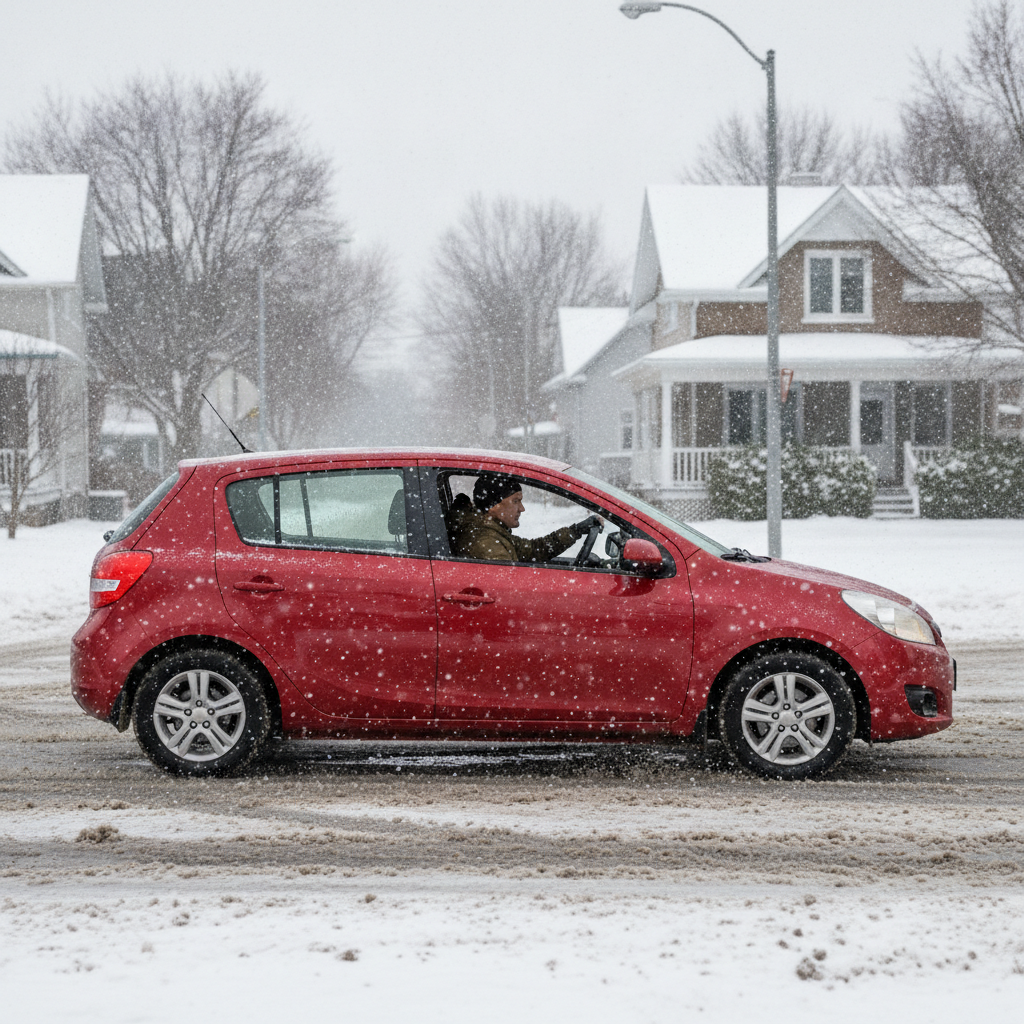
Build winter reflexes with deliberate drills: gentle throttle, early braking, and double spacing. Practice slow‑speed skid recovery in safe, open areas. Use defog/defrost proactively and keep windows 100% clear. Rehearse hill starts and long stops on slush to internalize grip limits.
Winter amplifies small mistakes. Plan for it—don’t hope through it. A 25–35 minute winter module every week or two pays dividends for months.
- Grip management: roll onto the throttle; avoid sudden inputs; brake earlier by a full car length.
- Visibility: mirrors and windows dry and clear; headlights on; keep washer fluid topped.
- Skid basics: eyes where you want to go; ease off the gas; steer smoothly into the path—not the panic.
- Spacing: double the dry gap; add more on descents.
To accelerate winter readiness, add our coached winter driving course and then reinforce with your weekly supervised sessions so you’re confident when temps dip below freezing.
SAAQ exam alignment: theory to road test
Align your practice with test criteria: observation habits, legal stops, lane discipline, speed control, and parking precision. Rehearse the full route 2–3 times, then isolate weak items with 3–5 focused reps. Finish with a calm, scripted pre‑test routine you can repeat on exam day.
Conduite supervisée turns exam checklists into muscle memory. Many learners benefit from 8–12 short route run‑throughs in the month before testing, alongside 2–4 micro‑drill blocks on problem areas.
- Knowledge consolidation: Sync sessions with your theory modules; skim 10–15 pages before a drive.
- Road‑test mapping: simulate the examiner’s pacing and verbal style so timing won’t surprise you.
- Vehicle familiarity: if you’ll test in our vehicle, book SAAQ exam vehicle rental so controls feel identical on exam day.
You can also review general phase content and exam structure on third‑party outlines like this theory and driving exam outline and the example Phase 2 modules to see how supervised practice pairs with classroom progress.
Tools and resources that boost progress
Use a simple log, cue cards, and route templates. Pair self‑practice with targeted coaching, a current manual, and a consistent theory schedule. These tools reduce guesswork, cut errors, and make each 30–45 minute drive deliver measurable gains.
Preparation is a multiplier. Small tools produce big, compounding wins over 2–8 weeks.
- Session log: date, weather, route, goals, reps, errors, and 1–2 takeaways.
- Manual alignment: keep terms identical to your book; we recommend the current Apprendre à se conduire manual.
- Exam‑prep coaching: our 2‑hour rehearsal pinpoints the 1–2 habits that most improve your score.
- Theory rhythm: lock in a predictable schedule via our Class 5 theory calendar.
- Vehicle match: practice in what you’ll test in; reserve our exam‑day vehicle early.
- Benchmark ideas: see alternative practice formats like this 2‑hour practice format for more ways to structure time.
Case studies and examples from our learners
Structured supervision shortens the path to readiness. With 2–3 focused sessions per week and targeted coaching, learners typically transform weak maneuvers into reliable habits within 10–14 days. These snapshots show how a clear plan unlocked calm, consistent driving.
Names are abbreviated for privacy, but each journey reflects the programs we run daily in Le Vieux-Longueuil.
Class 5 – New driver anxiety to exam calm
- Starting point: lane drift and rolling stops; panic at busy intersections.
- Plan: 3 micro‑drill blocks (stops, lane centering, right turns), 2 route simulations.
- Result: rolling stops eliminated after 12 deliberate reps; passed after 2 route rehearsals.
Class 3 – Commercial basics under pressure
- Starting point: late mirror checks; wide turns.
- Plan: 6 cornering reps with cone targets; 3 mirror‑scan drills at timed intervals.
- Result: consistent mirror scans every 8–10 seconds; turn path tightened within 2 practice days.
Class 1 – Precision and planning
- Starting point: over‑steering in low‑speed yards; fatigue after 40 minutes.
- Plan: 20‑minute precision blocks plus 10‑minute breaks; 4 backing maneuvers repeated with markers.
- Result: line‑ups within 12 inches after 3 sessions; steadier decision‑making on longer routes.
Whether you’re polishing basics or tackling advanced vehicle dynamics, supervised structure beats ad‑hoc driving every time. If you’re retesting, book driving improvement lessons to tighten fundamentals before your next attempt.
Common pitfalls—and quick fixes
Most setbacks trace to vague goals, long unfocused drives, and missed debriefs. Fix them by planning one objective, timing reps, and logging 1–2 corrections. If nerves spike, reset with 5 minutes of easy turns, then add complexity in small, measured steps.
Don’t let one shaky turn derail the session. Pull over, breathe for 30 seconds, restate your cue, and try again within 2 minutes while the moment is fresh.
- Over‑scanning inside: set a 10‑second exterior scan rhythm; mirrors every 5–10 seconds, speed check every 10–15.
- Late signaling: rehearse a 3‑beat cadence—mirror, signal, shoulder.
- Rolling stops: count 1–2–3 at the line; then creep to view if needed.
- Wide turns: slow earlier and turn later; aim for the lane center line.
- Lane changes: glide, don’t dart; keep small, steady steering inputs.
Get a coach to multiply your progress
Combine home supervision with expert feedback. A focused 2‑hour rehearsal pinpoints your top two improvements, while an exam‑day vehicle removes last‑minute friction. Together, they turn practice into predictable exam‑day performance.
Ready to accelerate? Pair your conduite supervisée plan with our coached 2‑hour test rehearsal and reserve a vehicle for your SAAQ exam. Keep what works; fix what doesn’t—in one tight session.
Linking supervised practice to theory progress
Use theory to set targets and supervised driving to prove them. Read 10–15 pages, define one on‑road goal, run 3–5 reps, and log results. Repeat twice weekly. This loop converts concepts into habits you can rely on when traffic gets complex.
When classroom content says « observe right of way, » your practice should capture 2–3 clean four‑way stops, with full counts and eye contact checks. Consistency beats speed.
- Before you drive: skim the relevant section; jot 2 key terms.
- On the route: measure reps; call hazards aloud every 15–20 seconds.
- After: record two wins and one fix—it guides the next outing.
Stuck on a topic? Sync with our theory calendar and bring questions to your next coached session so supervised practice stays aligned.
Planning your weeks: a practical template
Aim for 2–3 supervised sessions per week: one micro‑drill, one route simulation, and an optional conditions module. Keep each 25–45 minutes. Review logs every 7 days, then adjust goals by one level of difficulty—not three.
A small, steady cadence outperforms occasional marathons. Use this 4‑week pattern to build momentum without burnout.
- Week 1: 10 right‑turn reps; 30‑minute route; optional dusk drive.
- Week 2: 6 lane changes; 30‑minute route with 3‑point turn; rain practice if available.
- Week 3: 4 parks (parallel/angle); 35‑minute route; hill start module.
- Week 4: full mock exam; 3 targeted fixes; calm drive to solidify wins.
As your road test nears, tighten feedback loops. Many learners benefit from two quick 20–25 minute runs in the final 72 hours—light, positive, and focused purely on cues.
Is your supervisor ready?
A great supervisor stays calm, speaks briefly, and knows the route. They set 1–2 goals, time the reps, and keep eyes on traffic while you focus on execution. If emotions spike, they pause, re‑frame, and restart with easier maneuvers.
Coaching is a skill. The best supervisors use fewer words and clearer timing.
- Say what, not why: « mirror–signal–shoulder » is a better cue than long explanations at 50 km/h.
- Split attention wisely: supervisor tracks big picture; learner tracks mirrors and cues.
- Use time boxes: 20–30 second resets between reps keep minds fresh.
If you want a neutral perspective, bring your supervisor to a coached rehearsal. We’ll model calls and pacing they can mirror at home.
Vehicle readiness and comfort
Comfort and predictability reduce errors. Adjust seat and mirrors, tidy the cabin, clear windows, and keep tire pressures even. Use smooth throttle mapping and early braking to stabilize the car. Familiar controls add calm when the route gets busy.
A comfortable setup cuts mental load by a surprising margin. Spend 60–90 seconds up front dialing it in.
- Mirrors: outer edges show a sliver of body; horizon centered.
- Steering: wheel tilt so wrists rest at 12 o’clock without shoulders lifting.
- Climate: defog on early; avoid blast‑cold air on damp glass.
- Tires: even pressures; check weekly in winter.
If you’ll test in our car, practice in the same model by reserving the exam vehicle for continuity between practice and exam day.
Troubleshooting nerves on the road
Shrink nerves by narrowing focus. Use short routes, one goal, and a 30‑second breathing reset after spikes. Rehearse your pre‑drive script and stick to familiar streets first. Confidence grows when you stack 2–3 small wins in 20–30 minutes.
Anxiety is common—and manageable. Keep victories visible in your log so progress is obvious.
- Micro‑wins: track 3 perfect stops or 2 smooth lane changes—then stop on a high note.
- Breathing: inhale 4, hold 2, exhale 6 for 60 seconds when tension rises.
- Reset rule: if two mistakes stack, downshift difficulty immediately.
Key takeaways
Keep sessions short and specific, measure reps, and log outcomes. Build winter reflexes, simulate the test route, and practice in your exam‑day vehicle. Pair supervision with targeted coaching to convert knowledge into calm, automatic habits.
- One goal per session; 3–5 focused reps.
- Two‑second following gaps; double in bad weather.
- 8–12 route simulations in the month before the test.
- Coached rehearsal plus supervised practice = faster readiness.
Frequently asked questions
How many supervised hours should I plan each week?
Plan 2–3 sessions totaling 60–120 minutes. Keep them focused: one micro‑drill and one route simulation, with an optional weather or evening module. Short, specific work builds habits faster than long, unfocused drives.
What’s the best way to track progress during conduite supervisée?
Use a simple log with date, route, goals, reps, errors, and two takeaways. Count maneuvers (e.g., 4 parks, 6 lane changes) and note consistent successes. When you get two clean reps in a row, raise difficulty one notch next time.
How can a supervisor give feedback without causing stress?
Keep cues short and timed: « mirror–signal–shoulder » before actions, not during turns. After a mistake, pull over safely, debrief for 60–90 seconds, and try again within 2 minutes. Calm tone and clear timing beat long explanations at speed.
Should I practice in the same car I’ll use for the SAAQ road test?
Yes. Familiar controls reduce mental load and surprises. If you’ll use our vehicle on exam day, reserve a few supervised sessions in that car through our SAAQ exam vehicle rental so everything feels identical.
Conclusion: your next right move
Structure wins. Pick one goal, time your reps, and log results. Add a 2‑hour coached rehearsal and reserve your exam‑day vehicle. Together, these steps turn conduite supervisée into steady confidence—from Le Vieux‑Longueuil’s calm grids to a smooth SAAQ pass.
- Start with two short sessions this week—one drill, one route.
- Book a professional rehearsal to target your top two gains.
- Reserve our exam‑day vehicle for continuity and calm.
If you’re nearby, we’re easy to reach from community spots like Georges-Dor Public Library. Ready to focus? Let’s build safe, confident habits together in Le Vieux‑Longueuil.